TL;DR - Quick Answer
Lovable generates code quickly but often produces chaotic results that need significant cleanup. It's fast but can feel like working with a junior developer who doesn't ask questions.
Playcode takes a guided approach - the AI asks clarifying questions and builds incrementally. Slower to start, but you end up with cleaner results and fewer "what the hell happened" moments.
Bottom line: Lovable is for quick prototypes you'll probably rebuild. Playcode is for production websites you'll actually keep.
What is Lovable?
Lovable (formerly GPT Engineer) is an AI website builder that generates full-stack applications from text prompts. You describe what you want, and it produces code - usually React with various backend integrations.
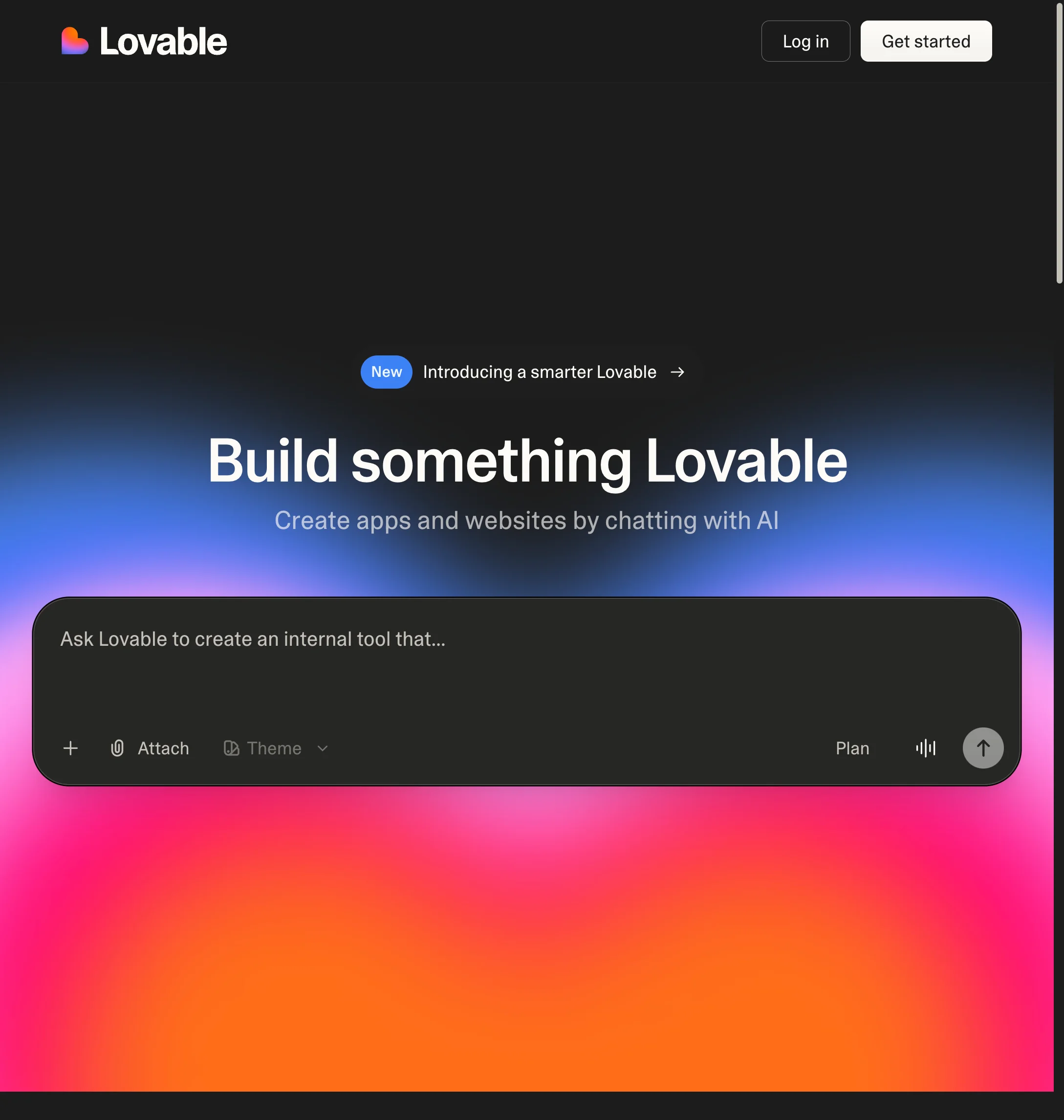
The pitch is compelling: describe your app in plain English and watch it materialize. For simple projects, it can feel almost magical. Type "build me a todo app" and you'll have something functional in seconds.
But here's what the marketing doesn't tell you: the magic often comes with significant cleanup work afterward.
Lovable's Strengths
- Fast initial generation - Get something on screen quickly
- Supabase integration - Built-in backend support
- Full-stack capable - Can generate frontend and backend together
- Active development - Regular updates and improvements
Lovable's Problems
- Chaotic code generation - Often overwrites working code when making changes
- No guidance - Doesn't ask clarifying questions, just guesses
- Credit drain - Failed attempts and regenerations burn through credits fast
- Desktop-focused - Limited mobile editing capability
- Steep learning curve - Need to learn how to prompt it effectively
The frustrating pattern with Lovable: you get something 80% right, then spend your remaining credits trying to fix the last 20% - often making it worse in the process.
What is Playcode?
Playcode is an AI website builder that takes a fundamentally different approach. Instead of generating everything at once, it works like a senior developer who asks questions before writing code.
The experience is more collaborative:
- You describe what you want to build
- The AI asks clarifying questions about functionality, style, audience
- It suggests an approach and explains the reasoning
- You see incremental progress with explanations
- Changes are scoped and don't break existing work
This guided approach means you spend less time fighting the AI and more time building. Over 1.1 million people have used Playcode, most finding it more predictable than alternatives.
Playcode's Strengths
- Guided building - AI asks questions instead of guessing
- Scoped changes - Edits don't randomly break other parts
- Multiple AI models - Uses Claude, GPT-4, and Gemini for different tasks
- Full mobile support - Complete editor works on phone
- All-inclusive hosting - CDN, SSL, custom domains included
- Code transparency - See and edit actual code anytime
Playcode's Limitations
- Slower start - The Q&A phase takes more time upfront
- Web-focused - Best for websites, not complex backends
- Opinionated - Makes technology choices for you
The Key Differences
Having used both extensively, the difference comes down to philosophy: Lovable prioritizes speed of initial generation. Playcode prioritizes quality of final output.
Generation vs Guidance
Lovable's approach: "Here's my best guess at what you want. If it's wrong, tell me and I'll try again." This works great when the AI guesses correctly. When it doesn't, you enter a frustrating loop of corrections.
Playcode's approach: "Let me understand what you need before I build." This takes longer upfront but results in fewer rebuilds and wasted credits.
The Credit Economy Problem
Both tools use credit systems, but the experience differs dramatically. With Lovable, it's common to burn through credits on failed generation attempts and fixes. The "regenerate" button becomes your enemy.
Playcode's guided approach means you typically need fewer iterations. The AI's questions prevent misunderstandings that would otherwise cost credits to fix.
Code Quality
Lovable generates code fast but doesn't always maintain consistency. Making changes can result in duplicate components, conflicting styles, or broken functionality elsewhere.
Playcode's incremental approach keeps the codebase cleaner. Changes are scoped, and the AI maintains awareness of existing code structure.
The "Senior Developer" Difference
The best analogy: Lovable is like a fast but inexperienced developer who just starts coding without asking questions. Sometimes they nail it. Often they don't.
Playcode is like a senior developer who takes time to understand requirements before touching code. Slower to start, but fewer surprises later.
Side-by-Side Comparison
When Lovable Works Better
I want to be fair. There are scenarios where Lovable might be the better choice:
Quick Throwaway Prototypes
If you need to visualize an idea fast and don't care about keeping the code, Lovable's speed advantage matters. Generate, screenshot, throw away.
You Need Supabase Specifically
Lovable has deep Supabase integration. If your project requires Supabase backend and you're comfortable with the platform, this integration is convenient.
You Know How to Prompt Well
Experienced users who've learned Lovable's quirks can work around many of its issues. If you've invested time learning to prompt it effectively, switching has a cost.
Simple, Well-Defined Projects
For very simple projects with clear requirements, Lovable's guess-first approach works fine. "Build a landing page with email signup" doesn't need much clarification.
When Playcode Works Better
Playcode tends to win in these scenarios:
Production Websites You'll Actually Use
If you're building something real - a business website, client project, or product you'll maintain - Playcode's cleaner output saves time long-term. Less technical debt from chaotic generation.
You're Tired of Wasted Credits
If you've experienced the Lovable credit drain - watching your credits disappear on failed regenerations - Playcode's guided approach is refreshing. Questions upfront prevent expensive mistakes.
You Work from Multiple Devices
Full mobile editing means you can work from anywhere. Make changes from your phone, review on tablet, polish on desktop. Lovable is desktop-only.
You Value Predictability
When you ask Playcode to change something, it changes that thing without randomly breaking other parts. This predictability is underrated until you've lost hours to mysterious regressions.
You Want Better AI Models
Playcode uses Claude, GPT-4, and Gemini depending on the task. Different models excel at different things, and using multiple means better results overall.
Pricing Breakdown
The sticker prices are similar, but the real cost depends on usage patterns:
Lovable
$20/month
- Limited credits per month
- Basic hosting included
- Supabase integration
- Code export
- Credits burn fast on iterations
- Custom domain costs extra
Playcode
$25/month or $21/mo yearly
- Credits go further
- CDN hosting included
- Custom domain included
- SSL certificate included
- Multiple AI models
- Mobile editing
The $5 monthly difference masks the real economics. If Lovable's iterations burn through credits 2-3x faster, Playcode is actually cheaper per completed project.
My Verdict
After extensive time with both tools, here's my honest assessment:
Lovable is like a slot machine. Sometimes you hit the jackpot - your prompt generates exactly what you need. Other times you feed credits into the machine trying to get the AI to understand what you want.
Playcode is like working with a consultant. More upfront conversation, but you end up with something that actually matches your vision. Less exciting, more reliable.
If you enjoy the gamble and have time to learn the quirks, Lovable can work. If you want predictable results and value your time, Playcode is the safer bet.
The question isn't "which AI is smarter" - both use capable models. The question is "which approach wastes less of your time and money." For most people building real projects, that's Playcode.
See the guided approach in action. Build something real in 10 minutes.
Try Playcode FreeFrequently Asked Questions
Is Playcode really better than Lovable?
"Better" depends on what you value. Playcode is more predictable and wastes fewer credits. Lovable can be faster for simple projects. For production work, most users find Playcode more reliable.
Can I migrate from Lovable to Playcode?
Yes. You can export your code from Lovable and import it into Playcode, or start fresh. Many users rebuild from scratch since Playcode's approach produces cleaner code anyway.
Does Playcode work with Supabase?
Playcode works with various backend services through API integrations. It's not as tightly integrated with Supabase as Lovable, but you can still connect to Supabase or any other backend.
Why does Playcode cost $5 more?
Playcode includes CDN hosting, custom domains, and SSL certificates in the base price. When you add these to Lovable's cost, Playcode is often cheaper overall.
Which tool is better for beginners?
Playcode's guided approach is generally easier for beginners. The AI asks questions instead of expecting you to write perfect prompts. Less prompting skill required.
Can I see the code in Playcode?
Yes, full code access. View, edit, and export anytime. Unlike some "no-code" tools, Playcode doesn't hide the code - it just doesn't require you to write it.